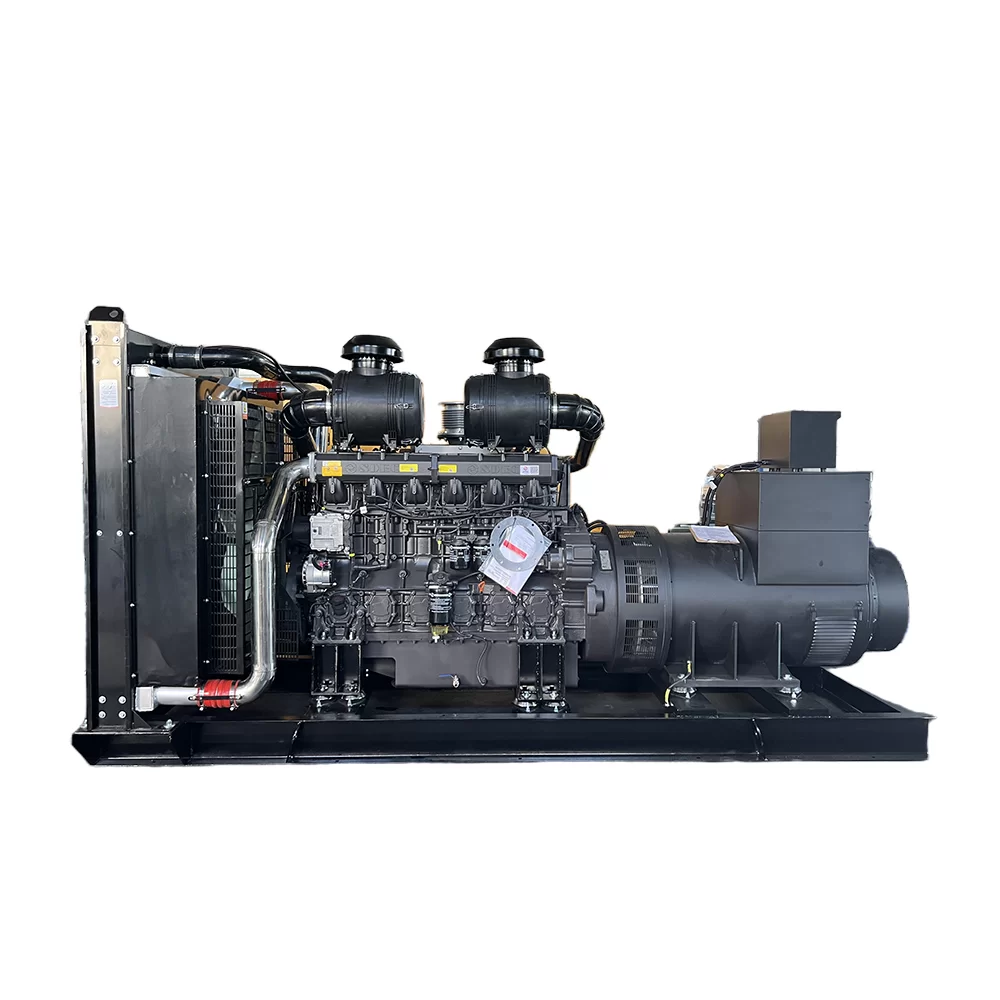
Ensuring operational continuity in noise-sensitive urban environments requires a strategic approach to backup power. For critical facilities such as data centers, hospitals, and dense residential complexes, the challenge is not just generating electricity, but doing so without disruptive acoustic pollution. High-performance silent diesel generators address this by combining industrial-grade power output with advanced sound-attenuating engineering.
Integrating premium diesel engines with intelligent control systems allows these units to provide seamless transitions during grid failures. By focusing on the synergy between fuel efficiency and strict environmental compliance, businesses can secure their mission-critical operations while adhering to local noise ordinances. This guide explores the technical architecture and procurement considerations for those seeking a reliable standby diesel generator Supplier to safeguard their infrastructure.

The primary differentiator of a silent generator is its specialized enclosure system. Unlike open-frame units, these systems utilize a multi-layered approach to noise reduction. High-grade acoustic insulation and sound-attenuating canopies are engineered to absorb and deflect sound waves, preventing them from escaping into the surrounding environment. This is critical for installations in urban centers where decibel limits are strictly enforced.
Beyond the exterior shell, precision-tuned exhaust systems and vibration-dampening mounts play a pivotal role. By isolating the engine's mechanical vibrations from the chassis, the system eliminates structural noise that often plagues standard generators. This comprehensive engineering ensures that while the internal combustion process remains powerful, the external noise profile remains minimal, making it the gold standard for residential and commercial sectors.

Modern standby power solutions rely on a combination of raw mechanical strength and digital precision. With a power range spanning from 20 kVA to 2500 kVA, these units are scalable to meet everything from small office needs to massive industrial loads. The integration of Automatic Voltage Regulators (AVR) ensures that the electricity delivered is stable, protecting sensitive electronic equipment in data centers and healthcare facilities from voltage spikes.
The heart of the system is the digital intelligent panel, which provides real-time diagnostics and monitoring. These panels allow operators to track fuel levels, engine temperature, and load distribution instantaneously. Furthermore, the capability for parallel operation enables multiple units to share the load, providing redundancy and scalability. If one unit requires maintenance, the others continue to support the critical load without interruption.
Efficiency is further enhanced by smart engine management systems. These platforms optimize fuel consumption based on the actual load requirements, reducing operational costs and lowering carbon emissions. This synergy of hardware and software ensures that the generator is not just a backup tool, but a highly efficient power asset.
Deployment of backup power often occurs in challenging climates where standard equipment fails. In high-temperature desert regions or sandstorm-prone areas, heavy-duty designs with optional anti-dust filters are essential. These modifications prevent particulate matter from entering the combustion chamber, maintaining engine longevity and preventing unexpected shutdowns during a power crisis.
In urban data centers, the focus shifts to seamless integration. The use of optional Automatic Transfer Switches (ATS) allows for instantaneous switching between the utility grid and the generator. This zero-lag transition is vital for servers and networking hardware that cannot afford even a few seconds of downtime. The weather-proof nature of the silent canopy also allows these units to be installed outdoors, saving valuable indoor real estate while protecting the internals from rain and humidity.
For those integrating with green energy, these diesel systems can function within standalone microgrids. By pairing a diesel generator with solar photovoltaic systems, facilities can reduce their overall fuel dependency, using the generator only during peak loads or nighttime, thereby optimizing the total cost of ownership.
| Comparison Metric | Open Type Generator | Dianbida Silent Generator | Operational Impact |
|---|---|---|---|
| Noise Level | High (Disruptive) | Ultra-Low (Compliant) | Urban Suitability |
| Installation | Remote / Industrial | Urban / Indoor / Residential | Placement Flexibility |
| Maintenance | Moderate | Low (Protective Canopy) | Long-term Durability |
| Operational Life | Standard | Extended (Weather-proof) | Asset Lifecycle |
| Env. Impact | High Noise/Emissions | Low Noise/Optimized Fuel | Regulatory Compliance |
Selecting the right partner for power infrastructure involves looking beyond the initial price tag. A manufacturer's deep engineering experience is evident in how they handle customization. For instance, the ability to configure units for global emission standards or specific voltage requirements indicates a mature production process. A supplier with over two decades of experience in diesel generator sets typically possesses the technical library to solve complex installation challenges.
Quality control is another critical pillar. The use of premium-tier engines combined with rigorous testing protocols ensures that the unit will start rapidly during a blackout. Buyers should look for suppliers who employ dedicated quality specialists and adhere to stringent testing for overload and short-circuit protection. This ensures that the equipment does not just work on the factory floor, but performs under the most demanding real-world conditions.
Finally, the provision of turnkey solutions—including design, manufacturing, and support—reduces the risk for the buyer. A partner who understands the specific needs of sectors like telecommunications or healthcare can provide tailored configurations that avoid the pitfalls of "one-size-fits-all" equipment, ensuring a higher return on investment through reduced downtime.
The trajectory of the backup power industry is moving toward intelligence and hybridization. Predictive maintenance is becoming a standard requirement, where advanced system alerts and diagnostics can notify technicians of a potential failure before it occurs. This shift from reactive to proactive maintenance significantly minimizes costly downtime and extends the operational life of the equipment.
We are also seeing a surge in "Smart Grid" compatibility. Future standby systems are being designed to interact with utility grids more dynamically, potentially providing power back to the grid or managing loads more intelligently. The integration of Natural Gas options alongside traditional diesel provides facilities with more flexibility in fuel sourcing and a path toward lower carbon footprints.
As urban density increases, the demand for even quieter and more compact power stations will grow. The evolution of acoustic materials and the miniaturization of intelligent control systems will allow for higher power densities in smaller footprints, ensuring that even the most space-constrained city centers can maintain 24/7 power reliability.
Silent generators feature a specialized sound-attenuating enclosure, high-density acoustic foam, and vibration-dampening mounts that significantly reduce decibel output, making them ideal for urban and noise-sensitive areas.
Yes, Dianbida offers heavy-duty anti-dust generator sets specifically engineered for high-temperature and sandstorm-prone environments, equipped with advanced air filtration systems.
Long-term reliability is ensured by regularly checking fuel and oil levels, inspecting air filters and coolant systems, and securing electrical connections according to our professional maintenance guidance.
Absolutely. Our silent containerized power stations provide the 24/7 reliability and stable voltage regulation required for critical data center operations in urban environments.
We provide a comprehensive power range from 20 kVA up to 2500 kVA to meet diverse residential, commercial, and large-scale industrial demands.
Yes, our generators can be integrated into standalone microgrids alongside solar photovoltaic systems to reduce overall fuel costs and lower carbon emissions.
Securing your operation against power instability requires more than just hardware; it requires a partnership based on engineering excellence. Whether you are upgrading an existing facility or designing a new one, prioritizing acoustic control and intelligent management ensures long-term reliability and regulatory compliance.