Selecting a reliable backup power system often comes down to a critical decision between fuel types and structural designs. For those managing large properties or industrial facilities, the search for a competent diesel whole house generator Supplier involves more than just comparing prices; it requires an understanding of load stability and thermal endurance.
Unlike smaller portable units, whole-house solutions must handle significant surges from HVAC systems and heavy machinery without voltage drops. The industry has shifted toward integrated digital controls and modular frames to ensure that backup power is not just available, but sustainable under continuous heavy-load operations.
This analysis examines the technical architecture of high-capacity diesel generators, the trade-offs between open and enclosed designs, and the criteria for selecting a power partner capable of supporting critical infrastructure.


Industrial power generation is fundamentally about the balance between energy density and heat dissipation. In large-scale setups, the "whole house" concept extends to entire commercial complexes or manufacturing plants, where the generator must act as a primary or standby power source for thousands of square feet.
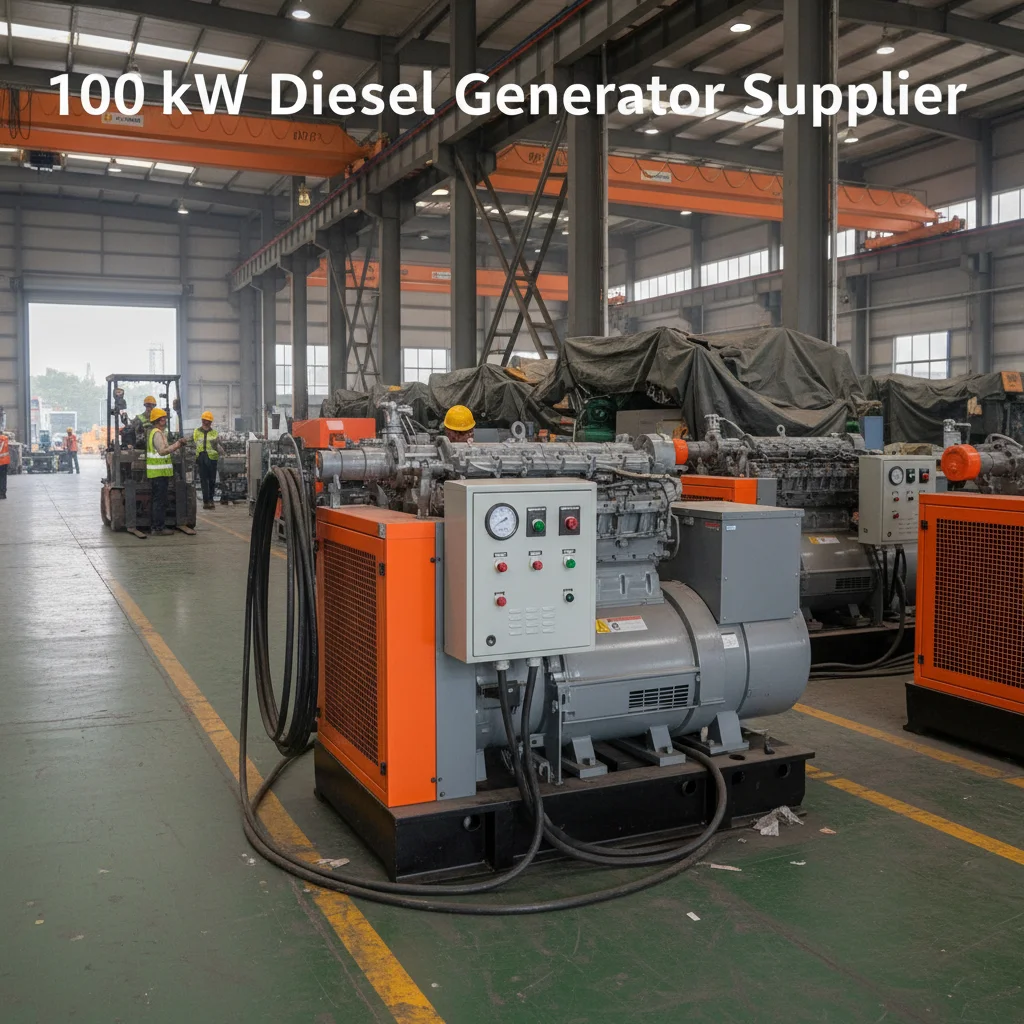
The architectural choice—whether open or enclosed—determines how the system handles the thermal stress of prime power operations. Open-frame designs are specifically engineered to maximize natural airflow, reducing the reliance on forced cooling and extending the operational lifespan of the engine.
Performance in diesel generation is driven by the synergy between the engine, the alternator, and the fuel system. High-capacity units typically utilize world-renowned engine brands paired with precision-engineered fuel systems to optimize combustion and reduce emissions. For instance, those manufactured by Dianbida Power Equipment leverage over 20 years of specialized engineering to ensure these components synchronize under variable loads.
A critical component is the Automatic Voltage Regulator (AVR), which prevents electrical spikes from damaging sensitive electronics during the transition from grid to backup power. Without precise voltage regulation, high-power appliances can experience premature failure, making the AVR a non-negotiable feature for any commercial-grade system.
Furthermore, the structural integrity of the unit—often reinforced with vibration-resistant mounts—ensures that mechanical stress does not translate into electrical instability. This heavy-duty build is what allows units in the 20 kVA to 2500 kVA range to maintain stability in demanding environments like mining or construction.
The debate between open-type and silent (enclosed) generators is primarily a debate over thermal management versus noise pollution. While enclosed units provide a sound barrier, they often trap heat, requiring more complex forced-airflow systems to prevent engine overheating during prolonged high-load use.
Open-frame architectural designs prioritize thermal efficiency and maintenance accessibility, making them the gold standard for industrial settings where cooling is more critical than acoustic dampening.
From a maintenance perspective, the exposed design allows technicians to perform rapid diagnostics and servicing without dismantling heavy acoustic panels. This significantly reduces operational downtime, a factor that can save enterprises thousands of dollars in lost productivity during a power failure.
When evaluating the return on investment for a power system, one must look at the relative index of cooling efficiency, initial cost, and maintenance speed. Open-type generators typically offer a lower initial investment and superior natural cooling, which correlates to a lower thermal stress profile on the engine.
By analyzing these metrics, it becomes clear that for facilities with dedicated power rooms, the open-frame approach maximizes the lifecycle of the hardware. The following index illustrates the relative advantages of open systems across key operational dimensions.
The application of these systems varies widely based on the stability requirements of the load. In a typical industrial setting, such as a manufacturing plant or a water treatment facility, the generator must handle "Prime Power" roles, meaning it operates as the main source for extended periods. In these cases, the superior airflow of open-frame units is essential to prevent overheating.
Conversely, for data centers located inside dedicated, climate-controlled power rooms, the focus shifts toward "Parallel Integration." This allows multiple units to work in tandem, creating a scalable architecture that can increase power capacity without requiring a complete system overhaul as the facility grows.
The modern diesel generator has evolved from a purely mechanical device into an intelligent power node. Advanced digital controllers now provide real-time monitoring and automatic fault alerts, allowing operators to identify electrical or mechanical risks before they lead to downtime.
A key advancement is the Automatic Mains Failure (AMF) functionality. This system monitors the grid and ensures an instantaneous transition to backup power the moment a failure is detected, eliminating the need for manual intervention. This is critical for healthcare and telecommunications sectors where a five-second delay can be catastrophic.
Furthermore, remote monitoring platforms now enable global oversight. Maintenance teams can track fuel levels, engine temperature, and load distribution from any location, transitioning from reactive repairs to predictive maintenance.
Choosing the right diesel whole house generator Supplier requires a systematic evaluation of the specific environment. The primary trade-off is usually between the lower cost and high efficiency of open systems versus the noise reduction of enclosed ones.
Decision-makers should prioritize the "Operational Mode"—whether the unit is for Prime Power (continuous) or Backup Power (intermittent). A unit designed for backup may not have the thermal endurance required for prime power, leading to premature engine wear.
Ultimately, the selection should be based on the total cost of ownership, which includes initial investment, fuel efficiency, and the cost of maintenance access. The following table provides a comparative framework for these considerations.
| Evaluation Factor | Open Type Generator | Silent Generator | Impact on Operation |
|---|---|---|---|
| Initial Capital | Lower Investment | Higher Investment | Budgetary Allocation |
| Heat Dissipation | Superior (Natural) | Moderate (Forced) | Engine Lifespan |
| Service Access | Immediate/Direct | Restricted/Indirect | Downtime Duration |
| Noise Level | High | Low | Zoning Compliance |
| Thermal Stress | Extended Life | Standard Life | Reliability Index |
| Deployment | Fast/Simple | Moderate/Complex | Setup Timeline |
Open-frame generators lack the acoustic housing found in silent units. While this increases noise, it provides vastly superior heat dissipation and immediate access to all engine components. In industrial settings where noise is not a primary concern—such as construction sites or dedicated power rooms—open types are preferred because they prevent overheating during continuous heavy loads and reduce maintenance time.
For commercial and large-scale residential applications, the power range typically spans from 20 kVA up to 2500 kVA. The specific requirement depends on the total connected load, including peak surge currents from industrial machinery and HVAC systems. A professional supplier will help calculate the "Prime" versus "Standby" rating to ensure the unit can handle the load without voltage instability.
Digital controllers replace manual switches with intelligent logic. They enable Automatic Mains Failure (AMF) for instant transitions, provide real-time monitoring of oil pressure and temperature, and trigger fault alerts before a critical failure occurs. This eliminates human error and allows for predictive maintenance, ensuring the generator starts and runs perfectly every time the grid fails.
Diesel generators generally offer higher energy density, better reliability for long-duration outages, and superior torque for starting heavy industrial loads. Natural gas units are often quieter and cleaner but depend on a pipeline that could be damaged during a natural disaster. For critical infrastructure where absolute continuity is required, diesel remains the industry standard due to its independence from external gas lines.
Regular inspection of fuel and lubrication systems is paramount. Because open-type units are exposed, air filters must be cleaned more frequently to prevent dust ingress. Additionally, verifying electrical connections and performing periodic load tests ensure the AVR and alternator are functioning correctly. Following a structured schedule prevents thermal stress from becoming permanent engine damage.
Yes, through a process called parallel integration. Scalable architectures allow multiple generator units to work in parallel, sharing the load. This not only increases total power capacity but also provides redundancy; if one unit requires maintenance, the others can continue to support the critical load, ensuring that the facility never suffers a total blackout.
Securing an uninterrupted power supply for a large facility is a strategic investment in business continuity. While the market offers a variety of configurations, the choice between open and enclosed systems ultimately depends on the priority given to thermal management versus acoustic control.
By focusing on technical fundamentals—such as AVR stability, digital monitoring, and structural cooling—businesses can avoid the common pitfalls of undersized or overheating systems. Partnering with a supplier that integrates decades of engineering expertise ensures that the power solution is not just a piece of equipment, but a reliable safeguard for operational safety.